


I originally gave this lecture fall 2023 and a slightly modified version again in fall 2024 for the NYU Game Center's Games 101 class.
 |
Hello! Welcome to my Cars 101 lecture. |
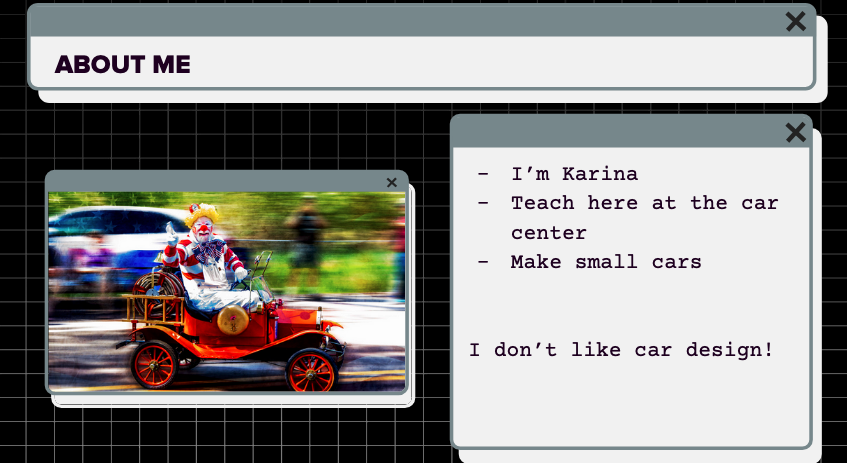 |
So, a little bit about me. I teach here at the NYU Car Center. I’m also a car designer, I primarily make small, experimental cars and I’m here today to talk to you about an inherent problem I have with cars or more specifically the way we make them. To introduce you to this… problem I have with… car… design. |
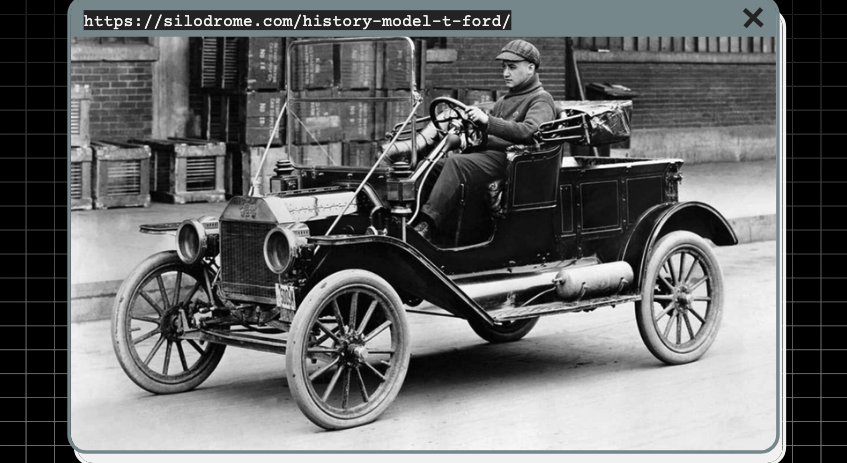 |
I want to go back in time a bit to talk about a specific car: The Ford Model-T. The Ford Model-T occupies a mythological place in the pantheon of car design history, particularly in America. Until the 1970s it was the most sold car in history. It’s a symbol of the turn of the century, of a world that was rapidly changing. The Model-T was first produced in 1908. Cars, automobiles, had existed for about 30 years at this point, but they weren’t widely adopted. They were expensive to make, rare, and unreliable. They weren’t well made. What made the Model-T different? |
 |
Well, there is some technological innovation at hand in the car’s design. The Model-T was made from a lighter steel and a more compact, reliable hand crank to start the car among other advancements. |
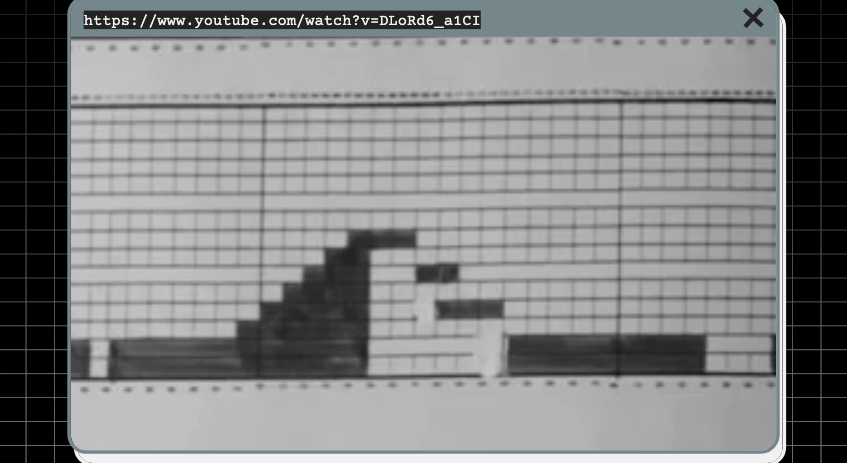 |
You can really see the innovation in the car’s design in its design mock-ups. |
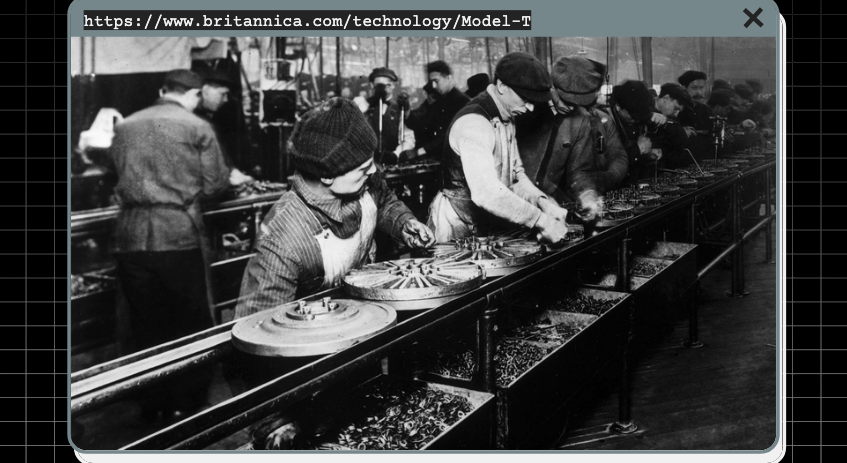 |
But the main reason we remember the Model-T is the way it was made, which allowed for quantities of the car to be produced at a, at that time, dizzyingly fast speed. The thing that makes the Model-T especially notable is the way its creator and engineers innovated the assembly line. The assembly line itself, like the car, wasn’t new. |
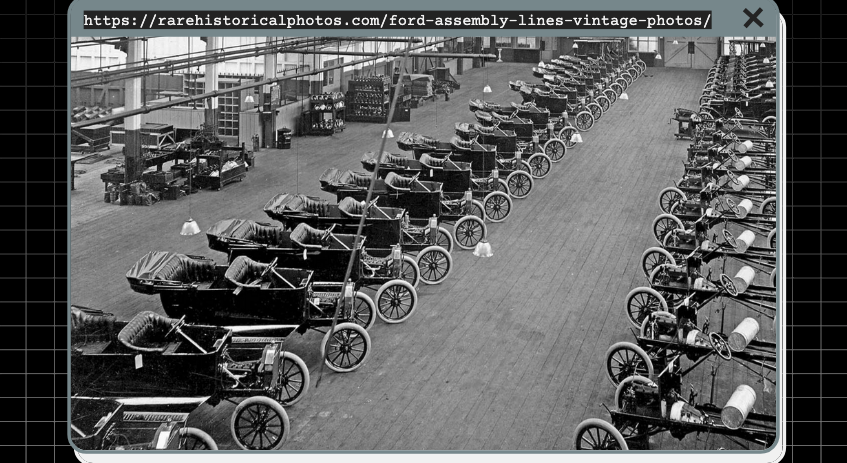 |
It had been around for a decade or so. However, the engineers at Ford innovated the assembly line and so precisely designed the process and car itself that, by 1914, Model-Ts could be assembled in 3 minute intervals. |
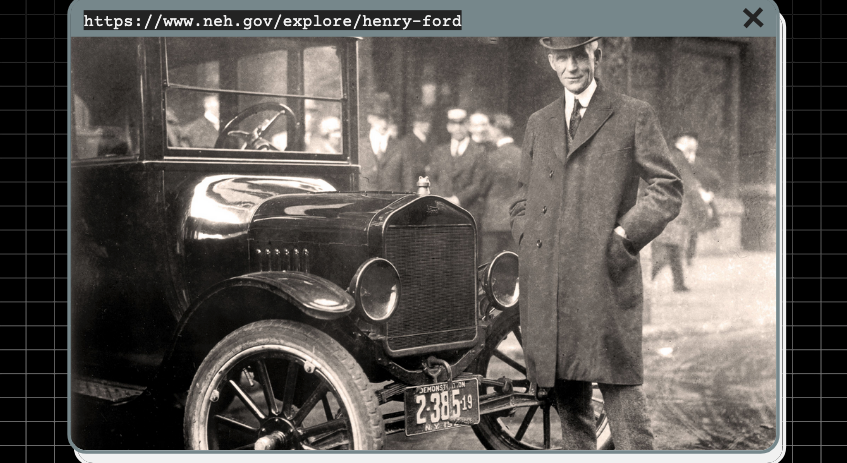 |
Henry Ford, seen here next to the Model-T, was a huge part of developing this new, modern, fast assembly line. We can see him working to develop what would become a world changing product, both the object itself and the way that object was created would change the world. |
 |
Of course, I don’t want to deify anyone here. Cars are made by people, right? One man is not the sole creator of an idea, of a car. There were engineers who helped to develop the assembly line, the car itself, investors that provided the capital to make this new, interesting thing that would go on to change how cars were made, bought, and sold. |
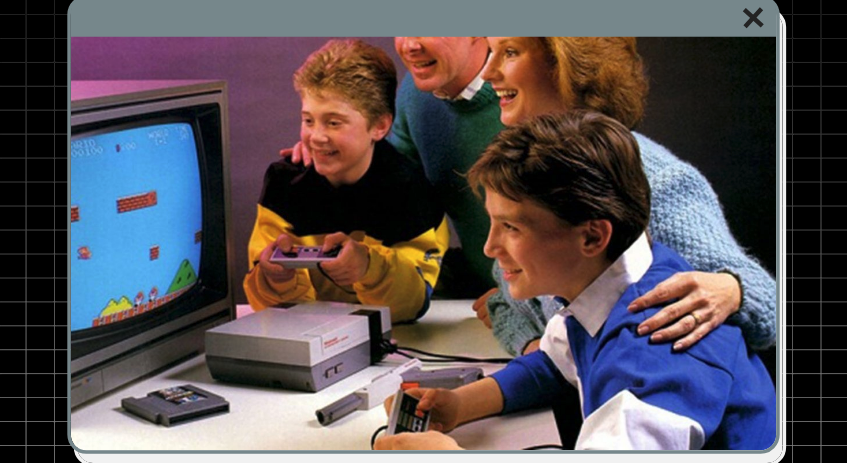 |
The Model-T isn’t really important for it’s design (noun) but it’s design (verb) and the way that design (verb) began to form what it means to make a car and what a car signifies socially. |
 |
The standard set by Ford... |
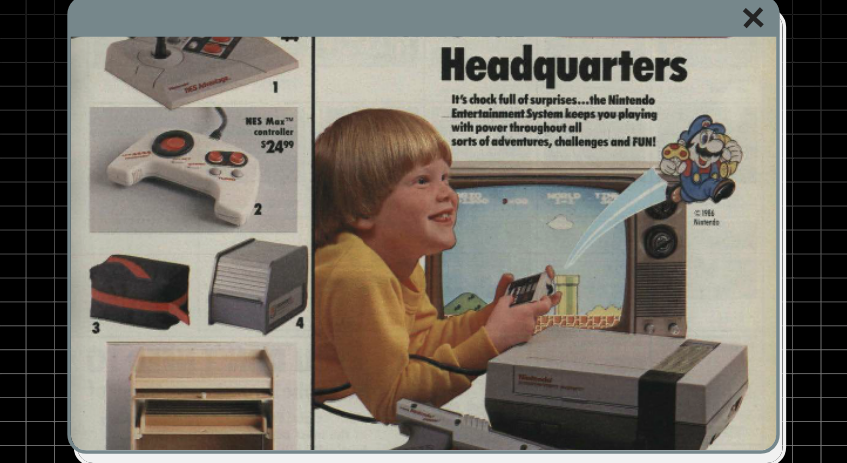 |
... innovated on by other companies around the world... |
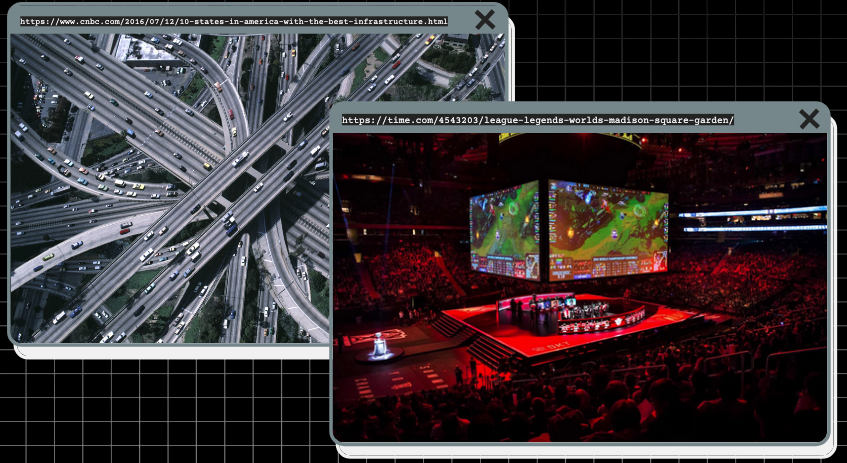 |
... would go on to change the world. Cars are just a part of our life now in ways small and large. I’m going to pause talking about cars for now. |
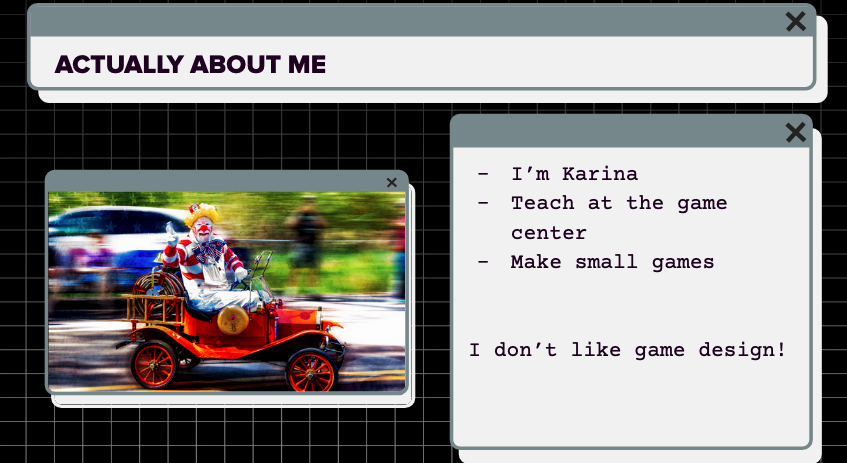 |
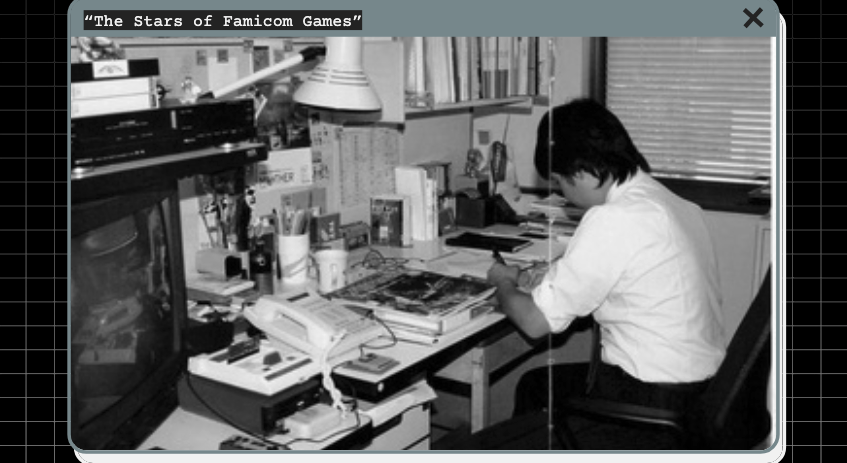
Hello! I’m Karina Popp. I teach at the game center and I make games. I mostly make small, experimental games: if I had to describe my games as a car, they’d be clown cars. And I’ve never had a driver’s license and know nothing about cars. Why am I comparing the Ford Model-T to Super Mario Brothers? I think there’s a comparison to be made in the way that Ford laid the foundation of its field with how Nintendo laid the foundation of its field. Both start from the assumption that this object is a consumer product. Which is fine, if you’re making a consumer product. |
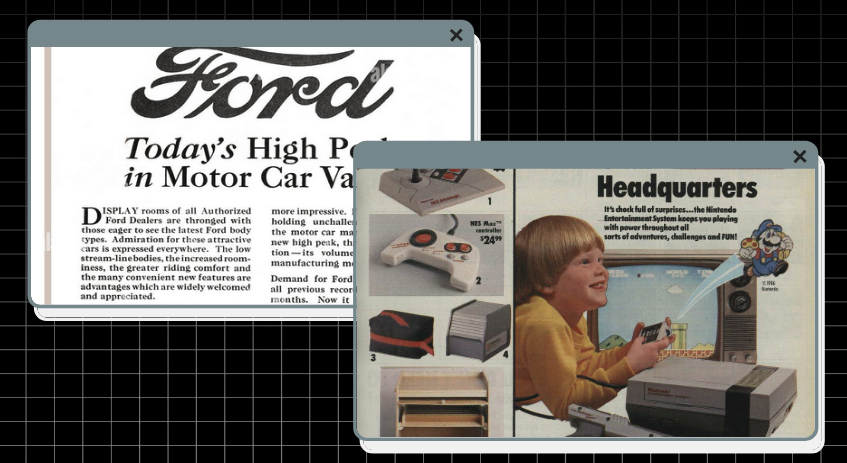 |
I’m talking about cars because it’s the best way I can explain my problem with games, specifically videogames. To me videogames while meaningful, while culturally significant, while the source of pleasure, of connection, of narratives powerful and painful, are inescapably connected to consumer products. Not that every game is a consumer product, because that’s obviously not true, but that culturally we’ve sort of coalesced our ideas about games at-large around being consumer products. And to me, as a maker of games, feel the pull, like a black hole, of the consumer. That even when I’m making something that is fundamentally not for consumers, is something even I wouldn’t pay for, I’m using similar patterns and heuristics one would use for a consumer product. And I think part of that is owed to how we formalized this practice: |
 |
Design. I hate design. Which is a bummer because I have an MFA in game design. I currently do contract work as a level designer. I do design. Sometimes. Because I have to. But whenever I have to design, I feel kind of dirty. There’s a part of making games that I think is ugly and I’ve become a little bit obsessed with that ugliness. |
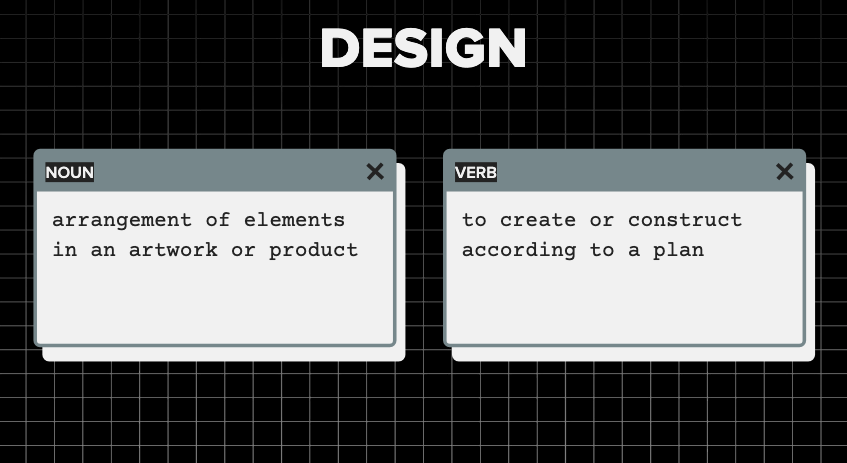 |
Design is both a verb and a noun. A game both is designed and has a design… or so we assume. We assume that because a game has a design (noun), it must have been designed (verb). Today, I want to talk about design-the-verb and why I think, sometimes, we shouldn’t do it. So the true title of this lecture is: |
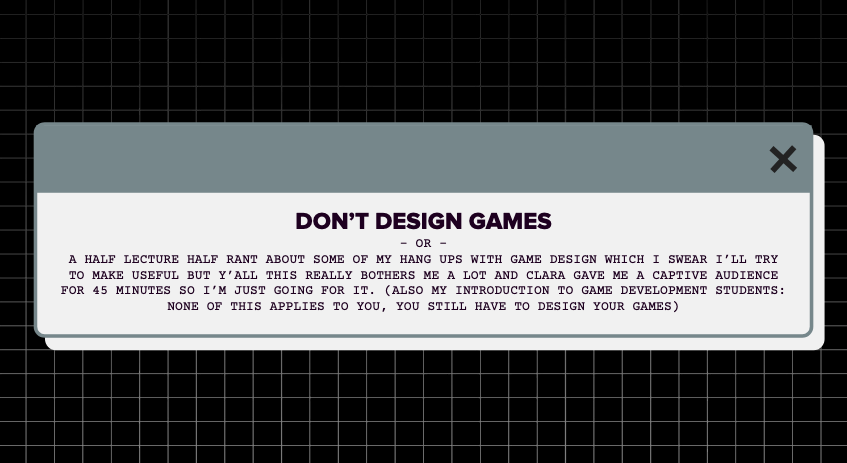 |
DON’T DESIGN GAMES - OR - A HALF LECTURE HALF RANT ABOUT SOME OF MY HANG UPS WITH GAME DESIGN WHICH I SWEAR I’LL TRY TO MAKE USEFUL BUT Y’ALL THIS REALLY BOTHERS ME A LOT AND CLARA GAVE ME A CAPTIVE AUDIENCE FOR 45 MINUTES SO I’M JUST GOING FOR IT. (ALSO MY INTRODUCTION TO GAME DEVELOPMENT STUDENT: NONE OF THIS APPLIES TO YOU, YOU STILL HAVE TO DESIGN YOUR GAMES) |
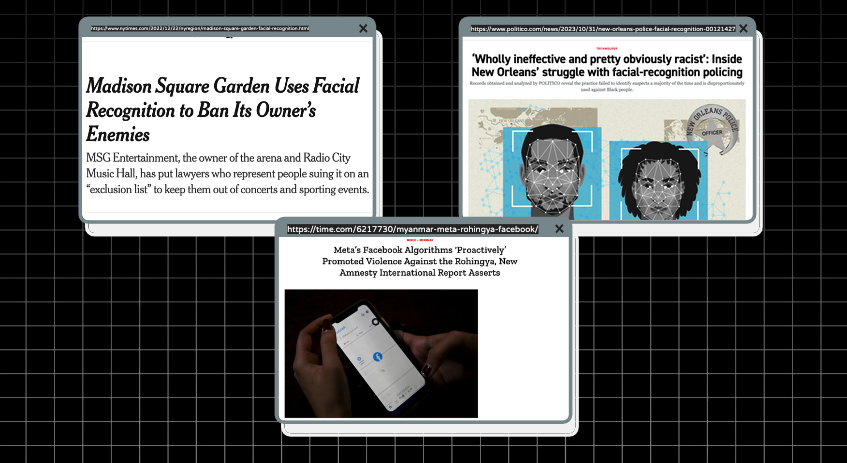 |
While it’s not the focus of my talk, I do want to touch on how design can go so, so easily wrong. We are in a world surrounded by design. For example: photo recognition systems. The owners of Madison Square Garden, use photo recognition systems event design to ban lawyers from their spaces. Photo recognition software is also being used by authorities to identify criminal suspects is not only ineffective, but targets Black people. And it’s not just software design, many forms of design, like game design, are focused on influencing the behavior of its users, like social media, which if left unchecked can, apparently, result in ethnically targeted violence. To be clear, what I’ll be talking about today is much lower stakes, but I think it’s worth contextualizing that there are lots of critiques to be made about design in general. |
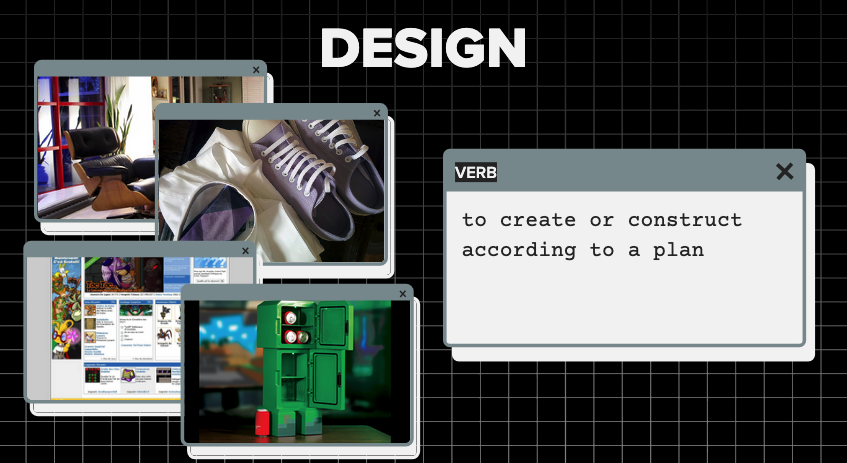 |
Design-the-verb. What is it? Well, it’s the process of creating a design. It’s actually kind of difficult to get a solid definition of what design is in general - it’s a thing people far smarter than me disagree on. But we can agree that lots of things are designed: cars and games, furniture, garments, lessons and lectures, apps and websites. Any given field has its own knowledge, methods, and values. What design looks like can be specific to the field the design is occurring in. Industry is political. How an industry forms is political. Creation exists in myriad, diverse forms but industry forms until the coercive duress of capital. So, let’s return to everyone’s favorite Italian plumber. |
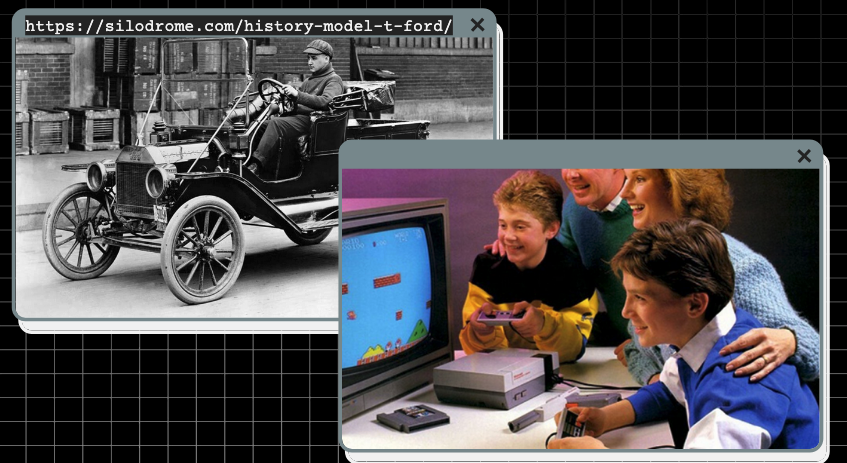 |
In my metaphor about games and cars, Super Mario Bros. is the Ford Model-T of games. It’s not the first of its kind, it’s not even the best of its kind, but it forms the foundation of this particular, hegemonic form of production. |
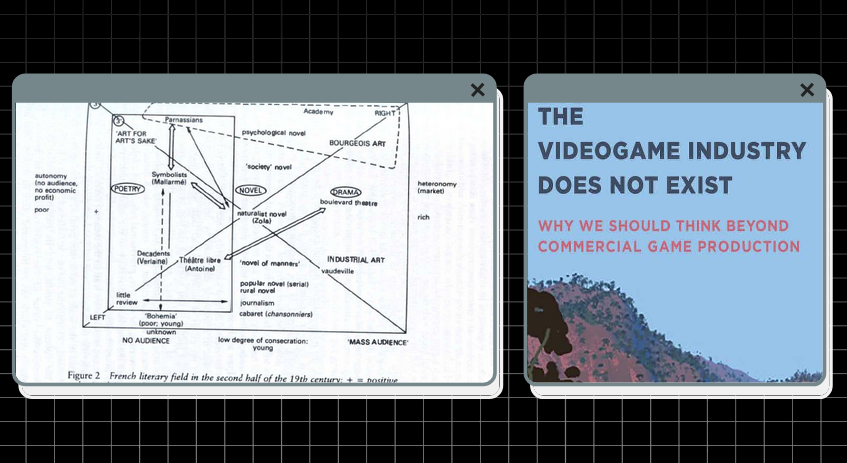 |
I’m lifting a lot of this from Brendan Keough’s recent book The Videogame Industry Does Not Exist, which uses the Pierre Bourdieu’s field theory to analyze how the videogame production field was consecrated and the ongoing struggle for capital within that field,social capital, cultural capital, and capital-capital, meaning: legitimacy, power, hegemony, etc. The videogame field was “aggressively formalized”, according to Keough, in the 1980s. Up until this formalization, the videogame space was sort of mixed. There was the more formal, commercial arcade machines and early home consoles, but it was also very much a space of hobbyists, hackers, and artists, around the world. The balance between these two modes of production shifted in the 1970s and early 80s, but by the end of the decade the field would be captured by the formal, commercial, product-oriented party. And I don’t think it’s a coincidence that you kind of have to locate the real foundations of this “aggressive formalization” in the United States. |
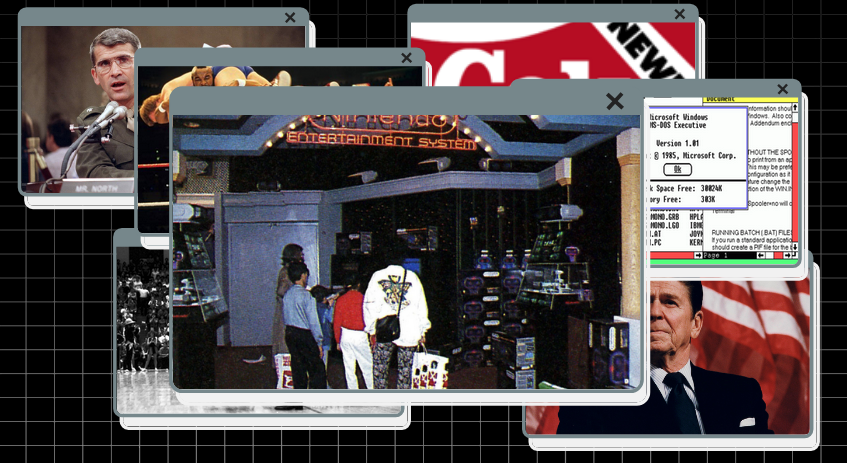 |
It’s 1985, in the U.S.A. Ronald Regan begins his second term as U.S. President. The first arms-hostage exchanges of the Iran-Contra affair occur. NBA coach Bobby Knight throws a chair across a basketball court. Coca Cola releases New Coke. Future musical theatre darling Jonathan Groff is born. Microsoft Windows had its first major release. Wrestlemania debuts at Madison Square Garden. And in October of 1985, The Nintendo Entertainment System, aka the Famicom, had its first limited North American release here in New York City. |
 |
In North America, videogames had had a few bad years. Through 1983 to 1985, several videogame companies go bankrupt and “experts” predict that the videogame market is dead. Within games we tend to attribute this to the ocean of poor-quality products, leading to liquidating prices and lack of consumer trust. However, there was also a nation-wide recession at the time and this is also a very American-centric story. In Japan and Europe, the console and home computer markets, respectively, were still pretty strong. But in America, everything’s on fire in terms of commercial games. And then comes Nintendo. Through a series of savvy decisions, Nintendo makes the home console and the videogame market at large, viable in America again. |
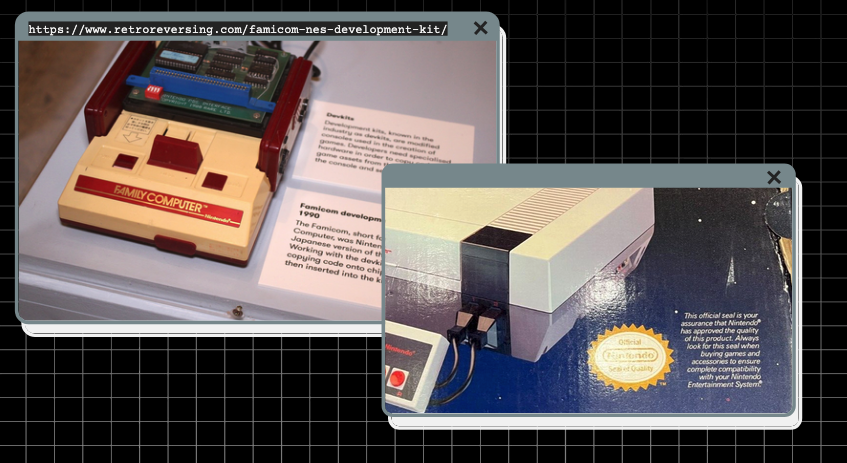 |
Most of their tactics here are marketing and legal. Developers had to get the official Nintendo software development kit and Nintendo exerted strong editorial control over games looking to release on the NES. Developers who got around the technical restrictions of the NES were iced out by retailers, who were under legal pressure from Nintendo to only sell official product. While this was done to avoid the same flood of low-quality games that had suffocated videogame companies prior to the NES’s entrance to the US market, it’s also a marketing tactic. Retailers were super reluctant to carry home consoles, so these practices are a part of reassuring those sellers that this was going to be different. Nintendo games came with a seal of quality, meant to assure customers that this was a “good” game, both in quality and in its appropriateness for children. |
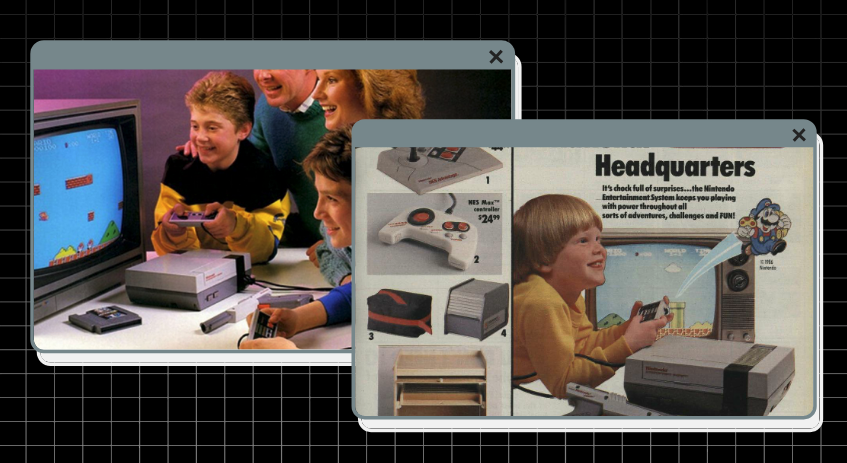 |
Because the NES is marketed as, essentially, a toy. In its national release, the NES was distributed through American toymakers, not through any of the shambling zombies of videogame companies. Nintendo of America would literally redesign the casing of the NES to resemble home video system hardware instead of a computer. It was sold in a bundle, including Super Mario Bros., at Sears and Kmart, companies that don’t really exist anymore, but were very middle-class, Americana, family friendly institutions. Other companies, like Sega, Activision, Taito, would follow suit with similar strategies, consecrating an industry. There’s a lot more that follows, decades of consolidating and creating cultural legitimacy within commercial games, gendered marketing, and corporate propaganda. I don’t know if this is the case anymore, but when I was growing up this was sort of viewed as a heroic story. A beloved company came in and “saved” videogames in America so that we can all enjoy our little treats to this day. To be clear, the hobbyists, hackers, and students doing informal videogame production still existed. And the main impact was in America, the ripples of this formalization would be slower to reach other markets. But, eventually, the result of this is that the broader cultural view of videogames was one of this highly polished product. |
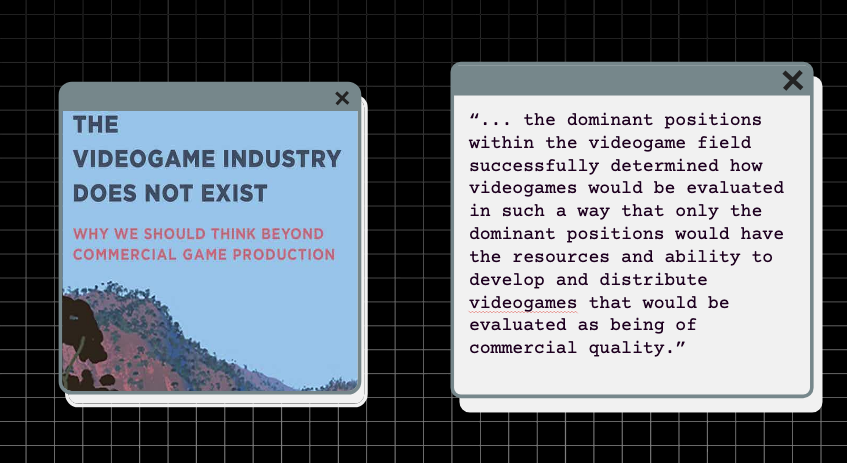 |
In Keogh’s book he says “the dominant positions within the videogame field successfully determined how videogames would be evaluated in such a way that only the dominant positions would have the resources and ability to develop and distribute videogames that would be evaluated as being of commercial quality.” So I think this aggressive formalization of videogame production is the origin of my issues with videogame design. Because I think the ripples and some cases, waves, of this aggressive formalization can be seen in how we continue to frame what it means to produce a videogame. The highly formalized form of game production is organized around commerce. These games were designed with a consumer in mind. A market, not an audience. A user, not a player. The success of games like Mario or Sonic or Final Fantasy led to this ubiquitous image of games, of something shiny and slick and easy. The foundation had been laid to view, in popular culture, games as a particular kind of thing and that thing, that shiny, tempting object, noun, came from a particular method of production. |
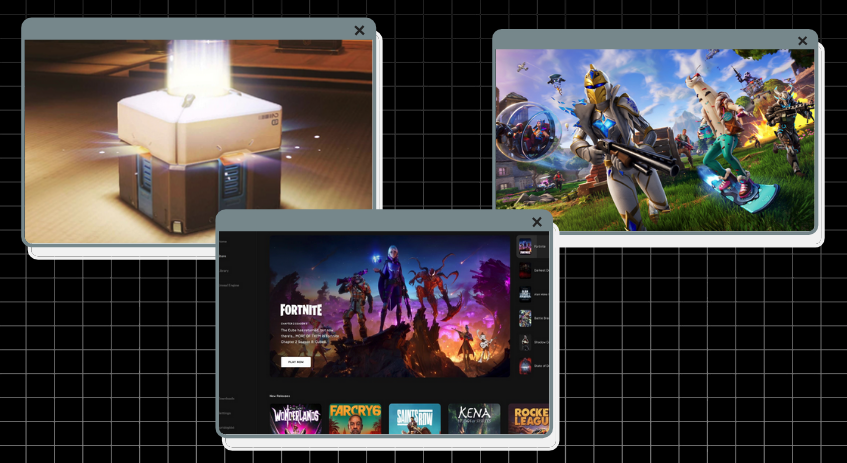 |
And that snowballed. I think there are easy examples of this that some of us are familiar with. We saw it in the ascendancy of lootboxes, in the fragmenting of mechanics into bite sized, monetizable pieces in free-to-play games, and yearly churn of your FIFAs and Assassin’s Creeds. When a game is locked behind a publishers proprietary platform. You can draw a pretty straight line between Nintendo Entertainment System and The Epic Games Store. These are very obvious examples of the ways in which what a game is has more to do with the process of its making. And I think a lot of players experience almost, like, the stages of grief with stuff like this. We rage and mourn and bargain and usually end up accepting when our most beloved games adopt some of these transparently extractive tactics. But… why stop there? Game design the verb will lead the worst actors to microtransactions, yes, but that’s because videogames are macrotransations. There are values that we sort of take for granted as being a part of the concerns of game making, to me, and they aren’t inherent to videoames: they are inherent to making a consumer product. A consumer is more inclined to buy something that is intelligible, that is reliable, that is obvious. Our practices are meant to facilitate that form. |
 |
For example: playtesting. Playtesting is a vital part of game design, so much so that the game center hosts a night dedicated to playtesting. It’s how we collect important data about our games, see them played out in the wild. |
 |
Playtesting is usability testing with a silly little hat. Usability testing is explicitly the testing of products on users, so that the thing, the machine, the appliance, the software isn’t confusing to the user. That’s what playtesting is, conducted with varying levels of formality, but the idea is the same: I need some random stranger to experience this thing I made to determine if it’s doing what the person who made it thinks it should do. And I’m not saying that anti-consumer game creation wouldn’t involve getting feedback, but that playtesting is a non-neutral model to do that. And while this lecture is focused on design-the-verb, I think it’s also worth mentioning that design practices are often informed by design-the-noun values. When you are design-the-verb-ing, you must determine what your priorities are for the final product. So, those of you in my Intro to Game Development class: this evening we’re going to be talking about conveyance. |
 |
Conveyance is the method that we try to teach players how to play our game, avoiding explicitly explaining what to do. In game dev, the pinnacle of good videogame design is to never directly explain, in words, your game rules. Super Mario Bros. World 1-1 is a famous example of great conveyance, Anna Anthropy has this awesome analysis of World 1-1 that shows how In class, we’re going to play Hearthstone,, which is a game that does this particularly well, and how it uses visual and audio cues to draw the player’s attention to the information needed to understand what’s happening. We tend to frame that as “oh, since this thing is interactive we must make them this way,” but I don’t think that’s the case. Videogames must provide these affordances because otherwise people wouldn’t buy them in quantities. Which isn’t the same thing as players not playing them. |
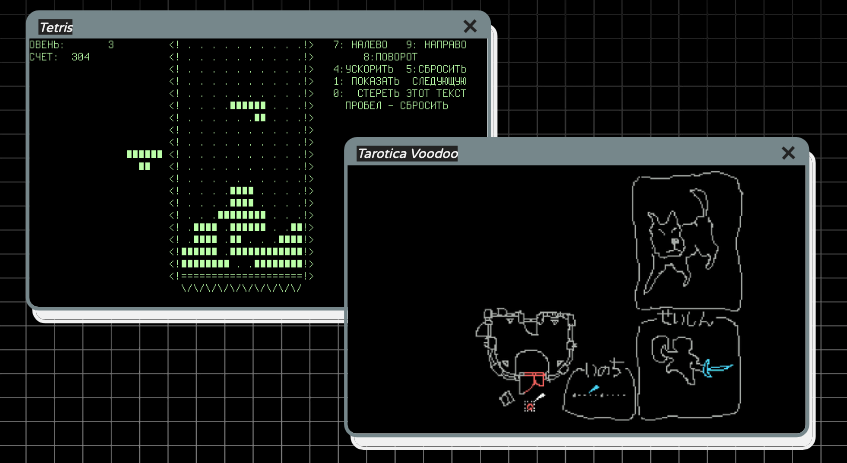 |
Which brings me the games I assigned: Tetris and Tarotica Voodoo. Formally, I don’t think these games have a ton in common. They’re quite different. And I didn’t really assign them for any of their formal qualities, for their object-ness. Like how this talk is really about the verb design, I’m more interested in thinking about how these two games were verb-designed. |
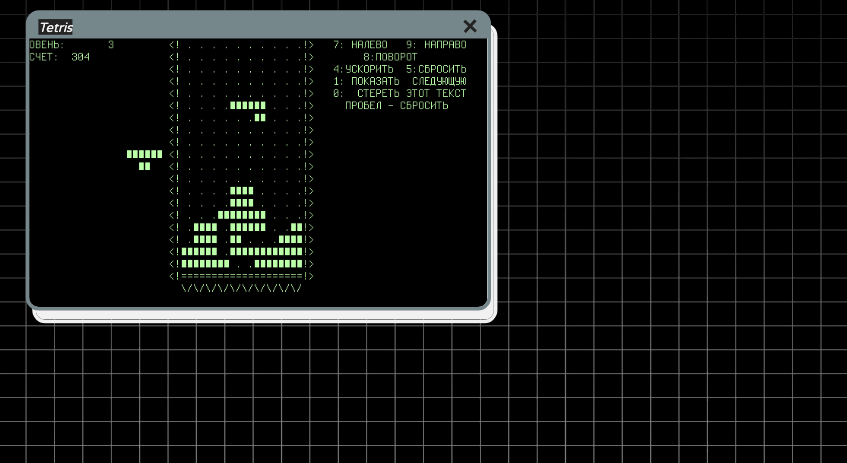 |
The creation of Tetris is interesting to me because it’s, initially, made by a hobbyist, or at least a person working in a non commercial capacity. The first playable version of Tetris was made in 1985 in the USSR - at the same time that the NES was being introduced to Americans, Tetris was circulating in Russian universities. Its initial production more resembled the very sort of production that the West was delegitimizing. But Tetris is also a massively popular game, around the world, with versions being published to this day. I think because of that longevity and these intersecting eccentricities you can kind of see the fault lines of the industry formalizing in different versions of Tetris. To that end, you’ll be playing several versions of Tetris and I do briefly think we need some context for said versions. |
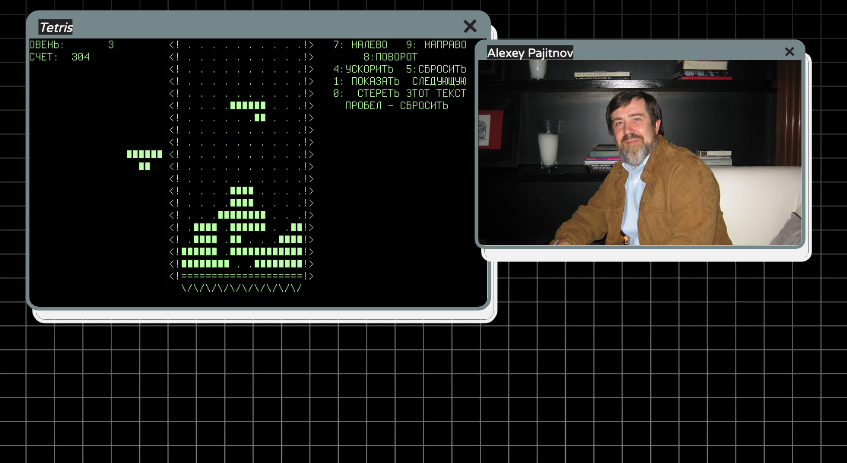 |
So! Tetris’s creator, Alexey Pajitnov, was a researcher at the Soviet Academy of Sciences. He was officially researching speech recognition and in his spare time made games. A hobbyist. If this was a talk about design-the-noun, I would say that what makes Tetris interesting is Pajitnov’s inspiration, the tetrominoes, about the elegance of Tetris, about the meditative quality, the inherent satisfaction of hitting pieces together. But I don’t care, so… forget it. |
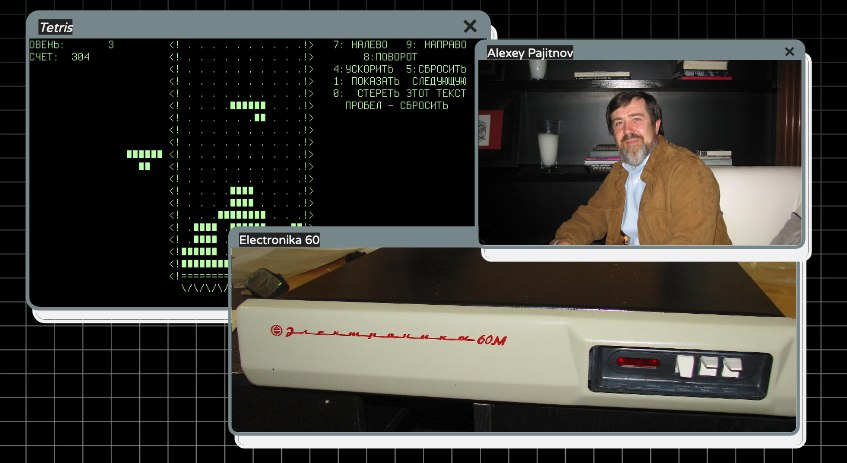 |
So: the first Tetris. The computer that the first version of Tetris was made on the Electonika 60. The Electronika 60 was a clone of the West’s PDP-11. Tetris was a big hit at the Academy and was quickly shared among other Moscow institutes. There’s an emulated version of this available online, which I wanted y’all to play, but I’m not sure if it’ll be available during your recitation. Instead, you’re likely going to play a recreation and I think that there’s a meaningful enough difference between an emulation and reaction that it’s worth pointing out. Computers mediate our experience of a game, so even if the noun-design of the game is the same, the experience is different. |
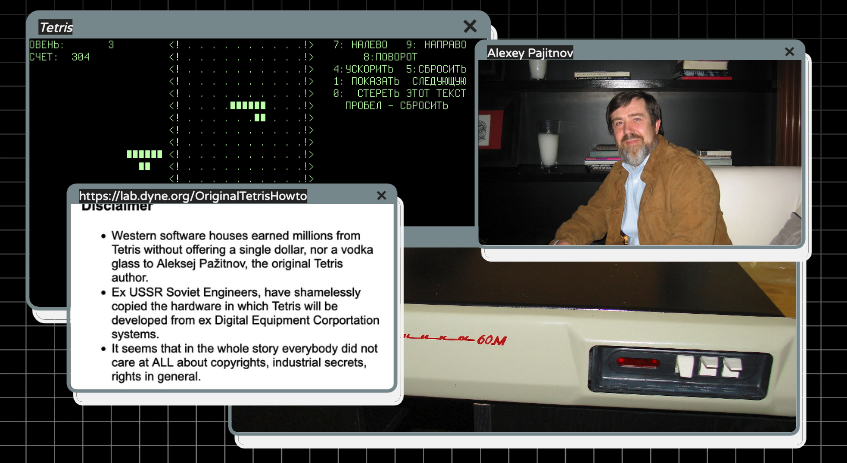 |
Anyway, the first Tetris. Pajitnov wanted to share Tetris with the world, but the Soviet Union had a monopoly on copyrighted exports. He simply wasn’t allowed to sell his creation by himself. Instead, he transferred the rights to the academy, the state. While the university was not obliged to offer compensation for his copyright, Pajitnov’s supervisor graciously deigned to pay a modest fee. From there, Tetris circulated through Eastern Europe, until a software salesman from London discovered the game in Hungry and we get: |
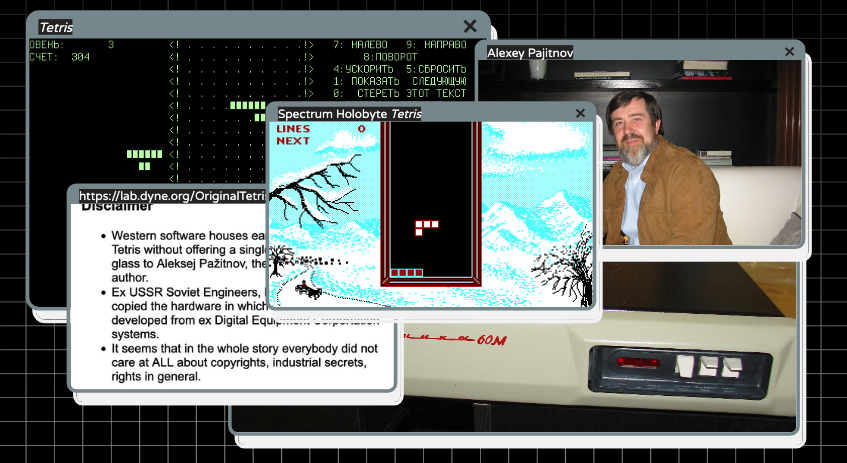 |
The Spectrum Holobyte version of Tetris. This was the version first formally, commercially sold in the West. Tetris, as a concept, was initially stolen from Pajitnov. Both because of restrictive copyright law in the Soviet Union and predatory Western businessmen. Tetris was sold in the West before anyone in the West actually owned the rights to the game. Simultaneous to the formalization of industry in America, which was predicated on companies aggressively protecting their intellectual properties through law and technology, they were mercenarily lifting Pajitnov’s creation. |
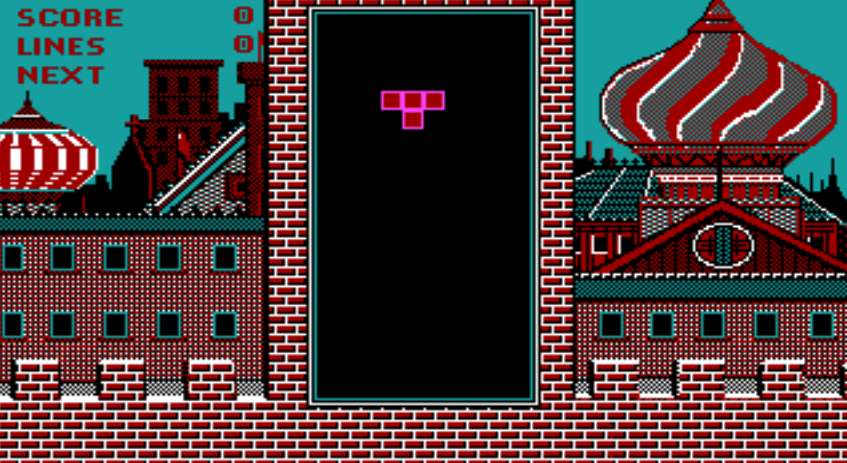 |
While the game was mechanically identical to the Electronika 60 version, the Spectrum Holobyte Tetris took on the kind of campy Russian theme for the first time. Today, I feel like most Tetrises take place in, like, space??? Or something??? The American company wanted to leverage the Russian origins of the game, with colorful images of Moscow, Russia, snowy mountains, space... |
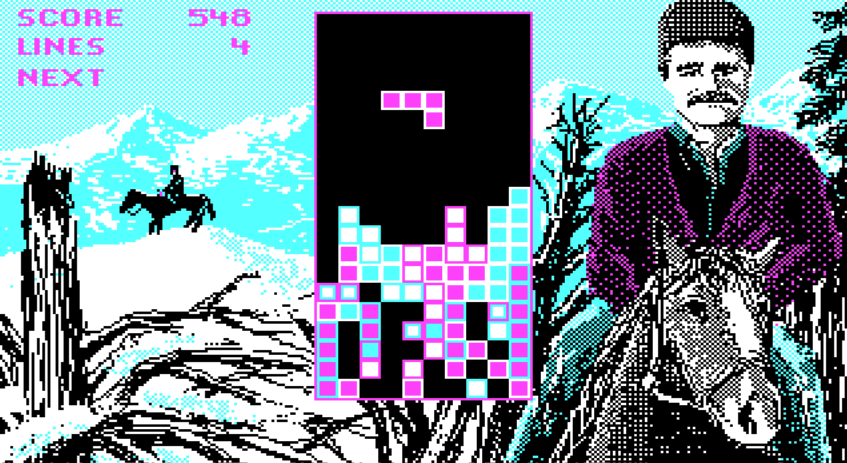 |
this dude on a horse. I kind of think that this strategy is… kind of weird. It’s certainly a form of othering, in which the mystique of the Soviet Union and Russia is meant to be appealing to a Western audience that otherwise has limited exchange with the USSR. |
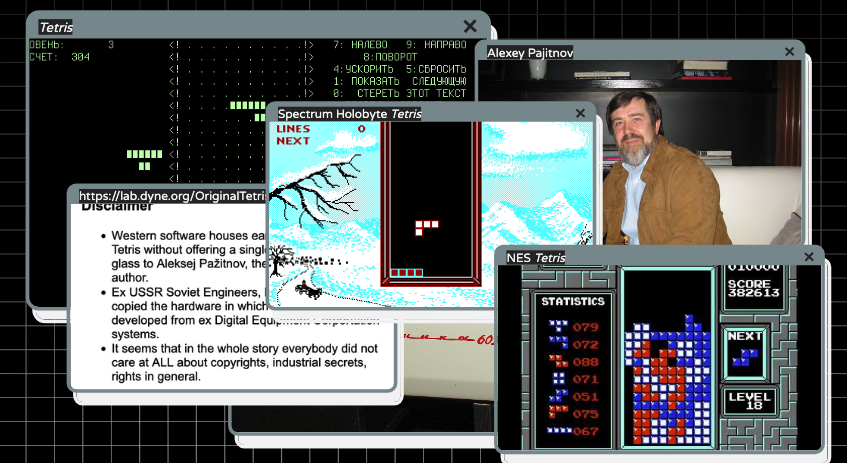 |
At this point, Spectrum Holobyte does actually get the rights to the Tetris IP from the USSR/Patjitnov and over a fairly short time the rights pass through several hands. One such company, BPS, ported Tetris to the NES, another of the versions you’ll play. |
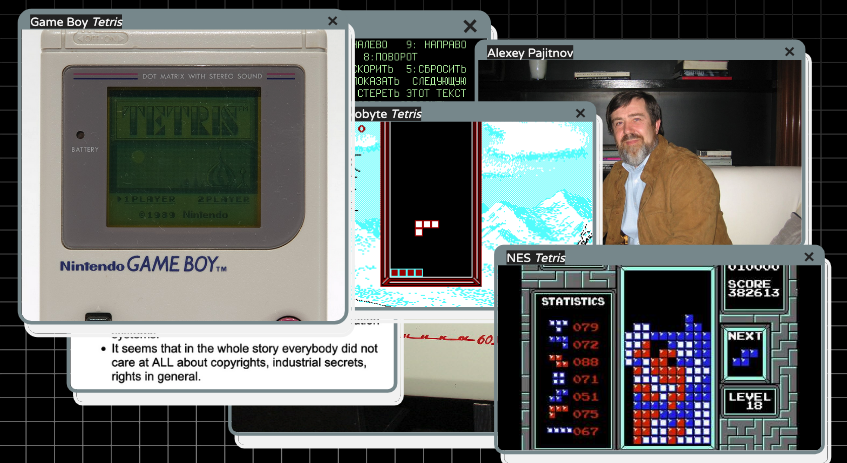 |
Which brings us back to Nintendo! Nintendo wanted to release Tetris on their still-in-development Gameboy. They would go on to bundle Tetris with the Gameboy during its launch. You’ll play this version as well. During the Gameboy’s development, however, iit was somewhat unclear who owned the copyright of Tetris. At this point, there’s a protracted legal battle which I don’t think it’s particularly worth describing, just that eventually Nintendo was able to publish Tetris on the Gameboy. This is also where we get the famous Tetris song, which was not in the original version. |
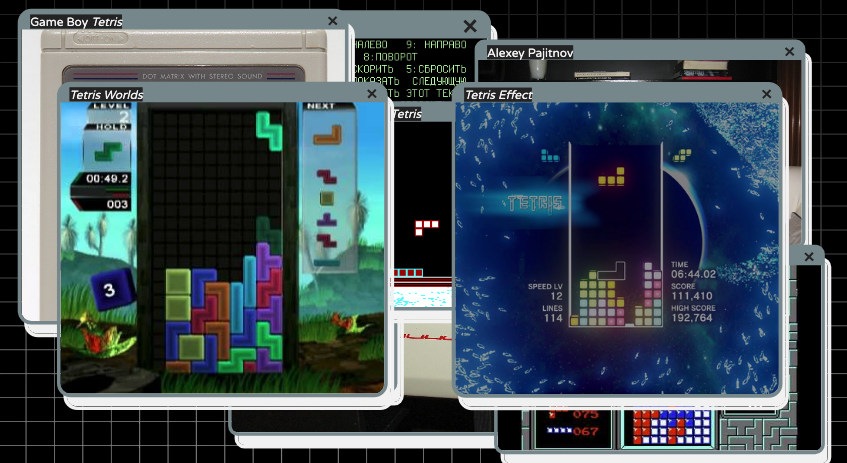 |
By 1996, Patjitnov was able to get the rights to Tetris back and things kind of stabilized. The final two games you’ll play, Tetris Worlds and Tetris Effect, were released in the 2000s and 2010s, respectively. While there’s less drama associated with these versions, I do still think they’re valuable to play as a point of comparison. What has changed about Tetris? Why? |
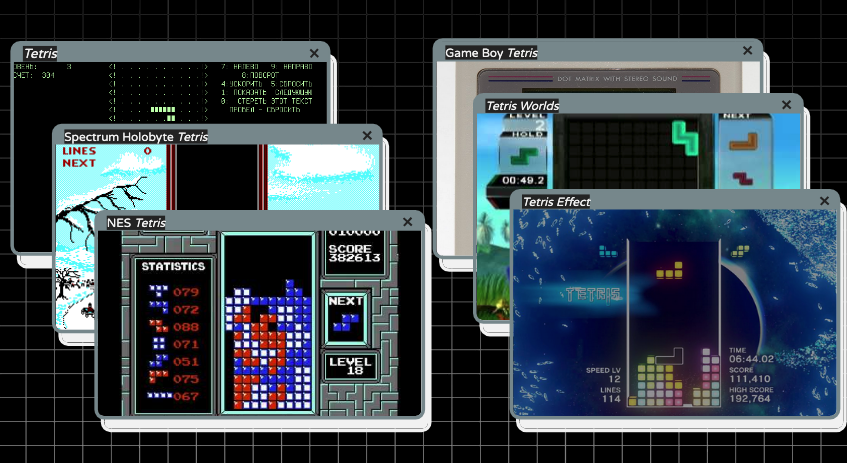 |
I contend that the contexts in which all of these versions of Tetris were made are apparent in the form of any given Tetris. Each one can be located in a time, place, and, most closely related to this lecture, mode of production. Moreover, I just think it’s interesting to reflect on what affordances may have changed over time, based on the formalization. |
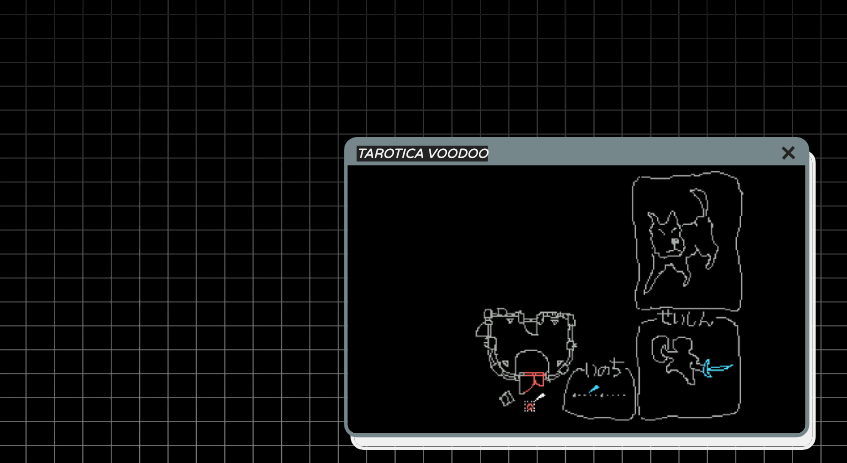 |
Like Tetris, I think the other game I assigned, Tarotica Voodoo, is interesting to me because it was originally and, to a large degree still is, made by a hobbyist. And, like Tetris, Tarotica Voodoo has had a long life. Ikushi Togo, the developer, started working on Tarotica Voodoo in 1993, more or less finished the game in 1998, and released it in 2017. That’s a gap of 24 years. |
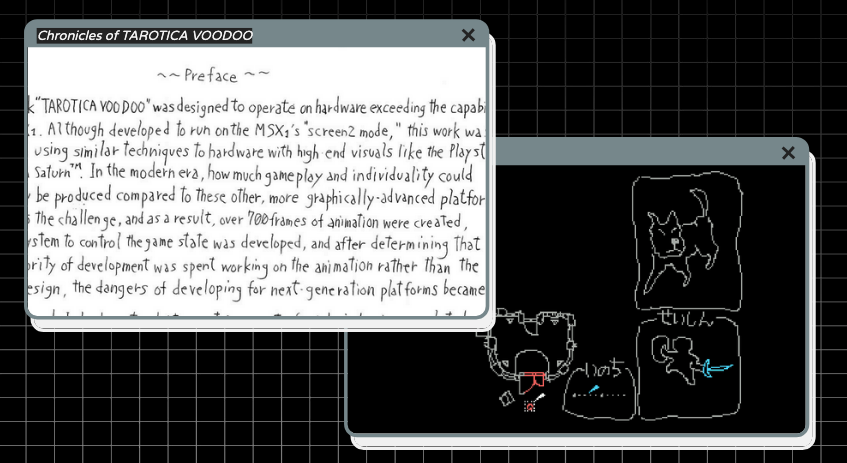 |
The version that you’re playing for homework is not actually the 1998 iteration of the game. Some revisions were made in the 2010s. I think that, in reading Togo’s own words looking back on the life of his game, you can see the way the game design field formed. |
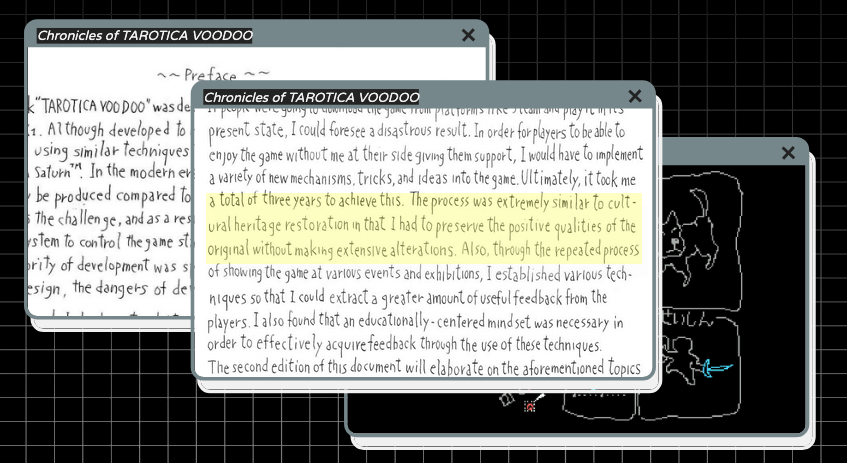 |
In 2014, Ikushi Togo showed Tarotica Voodoo at Tokyo Game Show and was surprised that people really liked it, though he identified some friction between the modern players and his game. He found that many people would try out his game, not understand what was happening, and immediately give up. If he sat with them and walked them through the game, they’d understand a bit more, but the moment he left the player would scurry away. He, I think correctly, identified this as an issue of what a player expected of a game in 2014. Players were really excited by look of the game, but were pretty immediately put off by the lack of clarity about what they were supposed to do. To that end, he added some “subtle tutorials” to the beginning of the game, to teach the player how to interact with the space. This practice, of trying to make that onboarding of players into his game a bit smoother, he describes as being similar to “cultural heritage restoration”. And, I know I said I wasn’t going to talk about the design-noun of these games, but I have to say: I don’t think that he was successful in trying to more smoothly introduce players to his game’s mechanics, yet, to me, it is a highly visible affordance. In the opening stage, he does the exact kind of tutorializing that Super Mario World 1-1. I think that in trying to reduce the friction between his game and a player, something is lost. Because he’s… doing design, in making these tutorials. It’s a different way to approach making. I want to tell you about another car and how that car was made. |
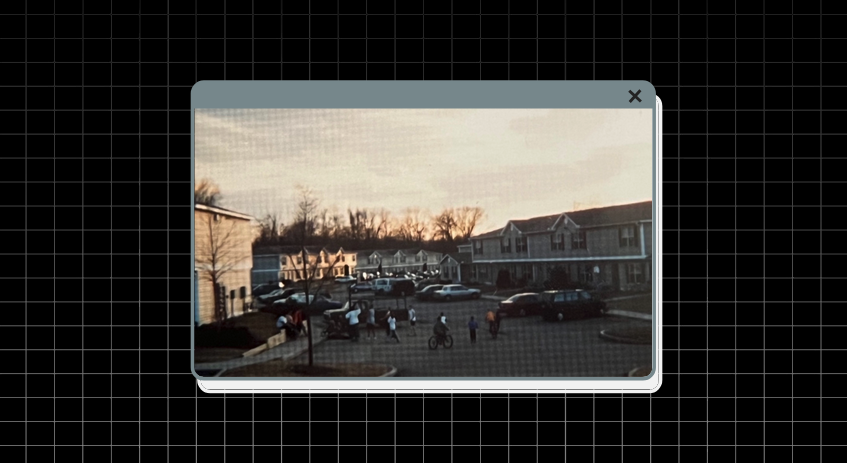 |
I want to talk about a specific car from my childhood: Gary’s car. This is not a Gary’s Mod joke, this guy was really named Gary and he really had this car. The chassis sat in the center of our apartment’s parking lot, occasionally on cinder blocks, sometimes on wheels. I don’t know what kind of car it was or supposed to be, but it was sort of a running joke on our block, about Gary’s car. He’d avoid his wife and kids in the evening by tinkering on his car, sometimes he would spend the whole day out there. New parts and equipment would appear or disappear over the years. Sometimes he didn’t tinker with the car at all, he would just sit in there, smoking, listening to music and squinting in the sunlight, watching the goings-on of the apartment complex. Gary would also work on other cars, usually cars dropped off by strangers and the like for some extra cash. And these would be quick tune ups, replacing parts, little things, and those cars would come and go in a matter of days, sometimes hours. It wasn’t a labor of love, it was a matter of paying the bills. But Gary’s car was always there. I can’t remember if he ever got to drive the car? I like to think that he did. But I also think it’s ok if he didn’t. Sometimes, when I’m making a game, I feel like I’m Gary and I’m just kind of taking something apart and putting it back together for the pleasure of doing it. I want to understand how a tool works or how I would implement a small, single idea I have in mind. And maybe I kind of have a vision of what it is I’m doing, but it’s often unclear. It’s meandering and not particularly procedural or oriented towards the final object. The thing I make will probably have a design, but it wasn’t designed. |
|
I think there are a lot of reasons that I hate design, that have to do with the patriarchy and god and hierarchies and, yeah, something about capitalism which I guess this lecture was focusing on. So, why does it matter? I was once in your position: a passionate, eager student of game design. And the magic and beauty of magic games began to crack in my very first game design lesson. For me, the disillusionment came from my slowly dawning horr I wasn’t ignorant, I swear! I intellectually knew that videogames were consumer products. But I didn’t know it in my soul. I was inspired by commercial games and noncommercial games, alike. I wanted to make games because of non commercial works like Dys4ia, but also because of AAA titles like Dragon Age. But I think I thought that, in their making, I would be let in on some liberatory secret, an insight into why these things were so meaningful and beautiful. But what I found is that games were made in a way similar to how I would imagine cars are made. They’re designed similar to microwaves or maxipads or phones or potato peelers. I found myself a bit jaded, angry. That process of creation is not satisfying to me. The practice of game design is both totalizing and insufficient. I think that this experience is probably a common thing in creative fields: you love something, you’re personally invested in it, you want to study it and then learning all about that thing kind of ruins it. I think that many of you will experience something similar, at some point. It may not manifest like my own bizarre anti-capitalist fixation, but there will be something, something about games or the way they’re made that will bother you. |
|
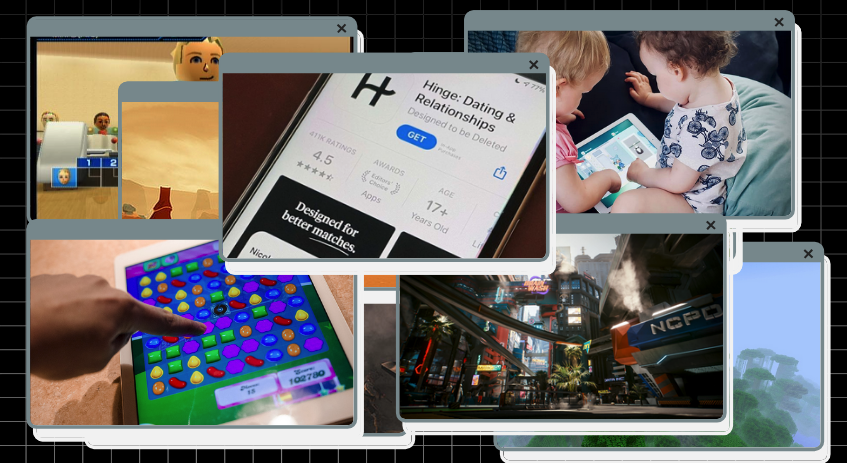 |
For those of you who are making games, you will go on to design many types of… cars. You’ll design Beatles, Buses, Corollas, Civics, Hummers, maybe Yamaha motorcycles and sometimes you’ll even find yourself designing boats. But it’s important to think about how you’re doing design, creating all those beautiful, meaningful cars. Because there may be a time where you’re making a car like Gary’s. In any case, I think it’s worth considering the process. Think on how you’re making, why you’re making, and why you’re making the way that you are. And, maybe, sometimes, don’t design a game. |